Product Introduction
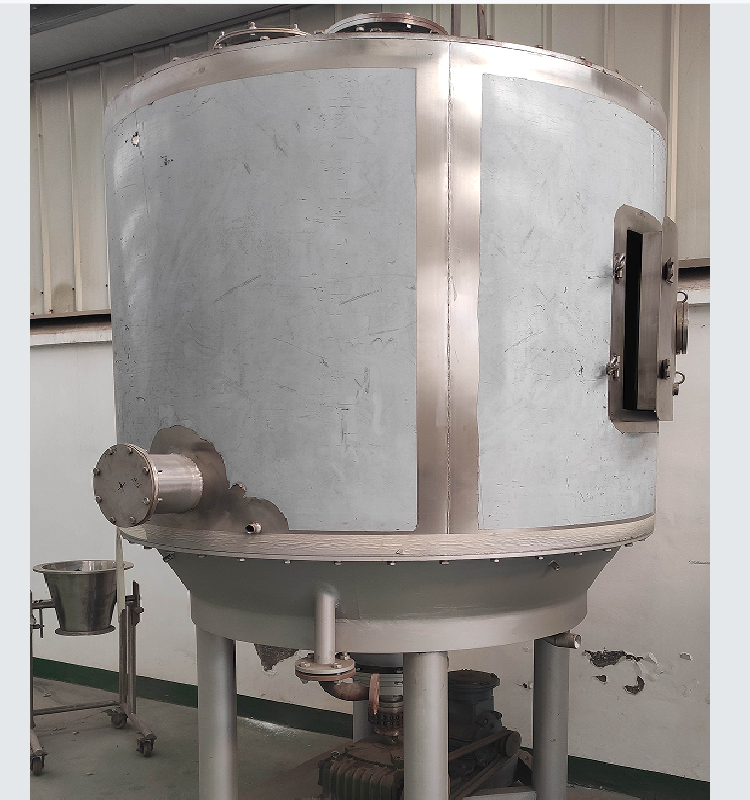
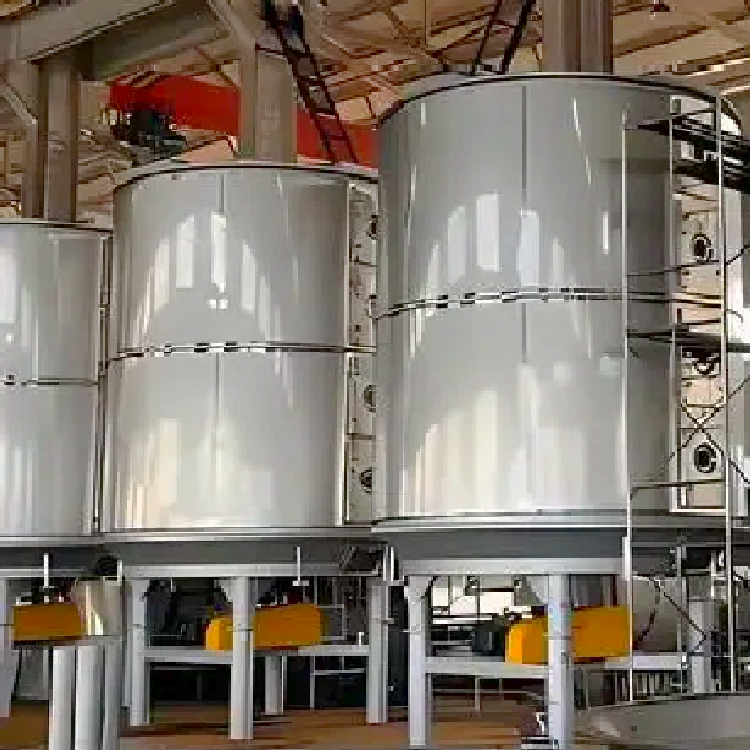
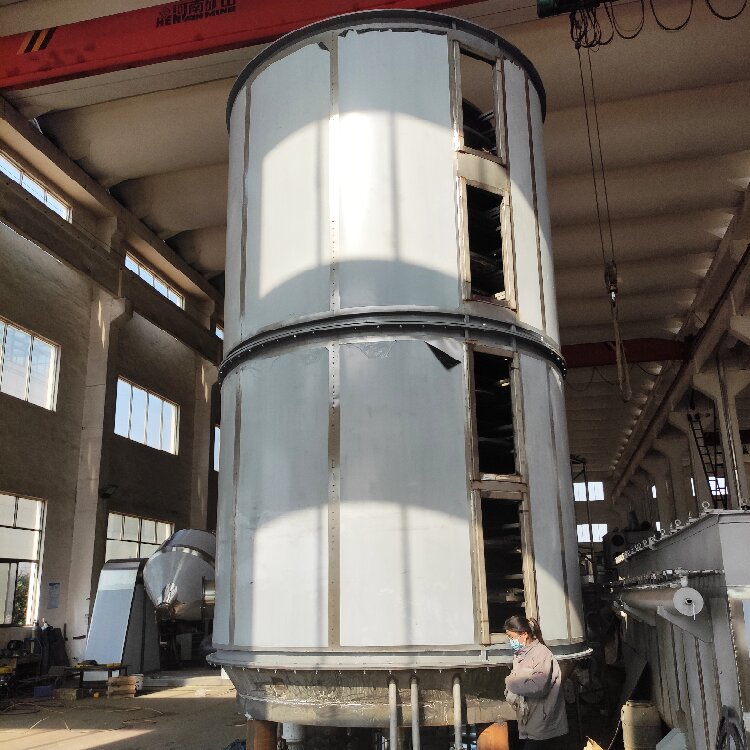
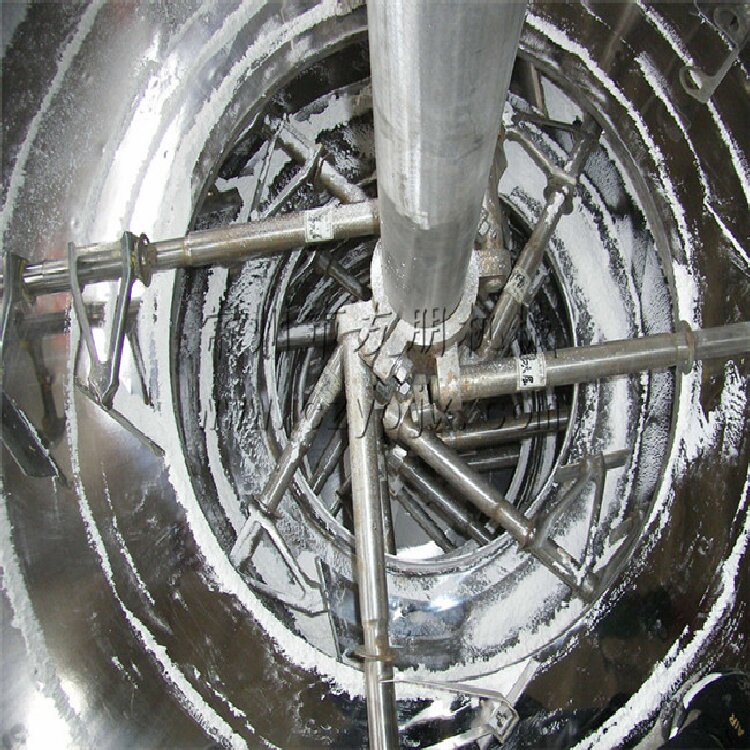
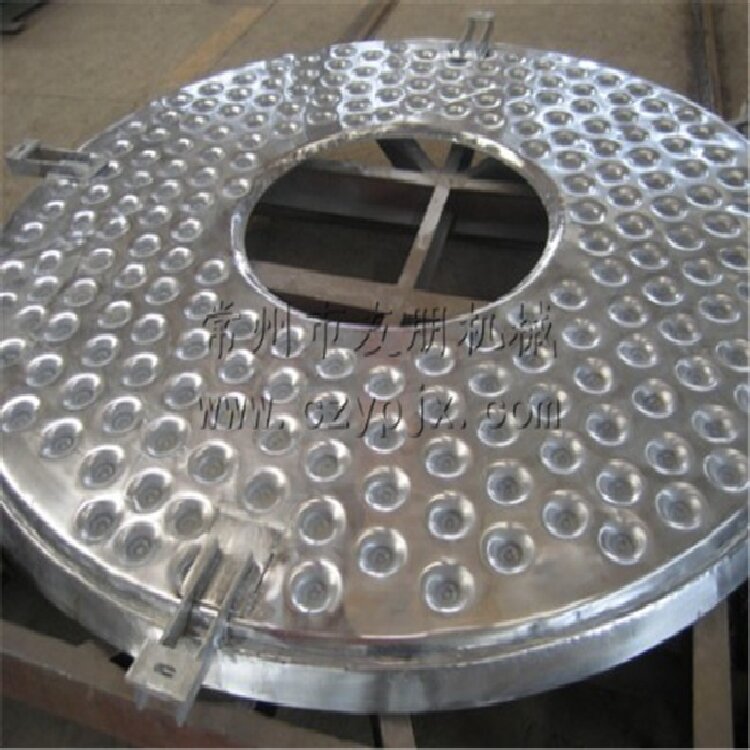
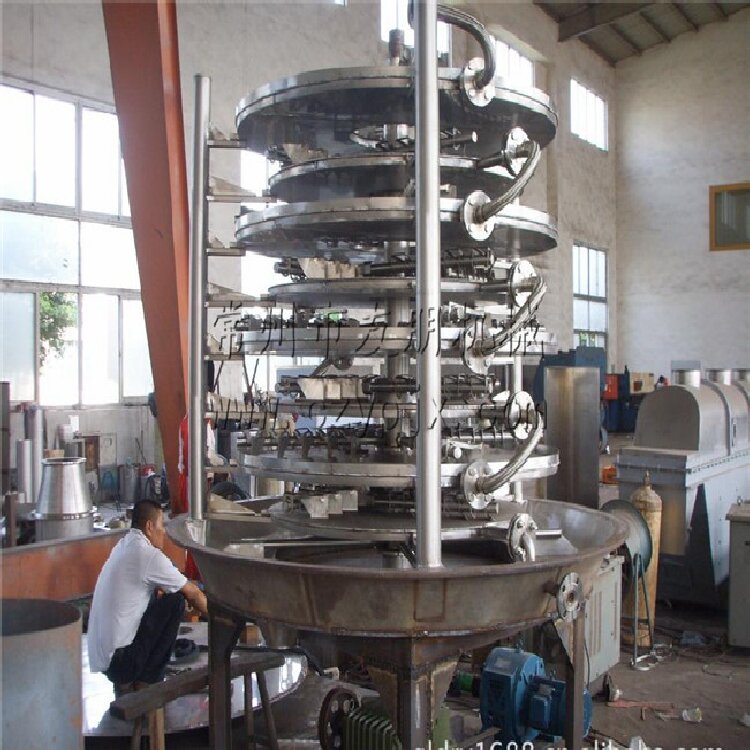
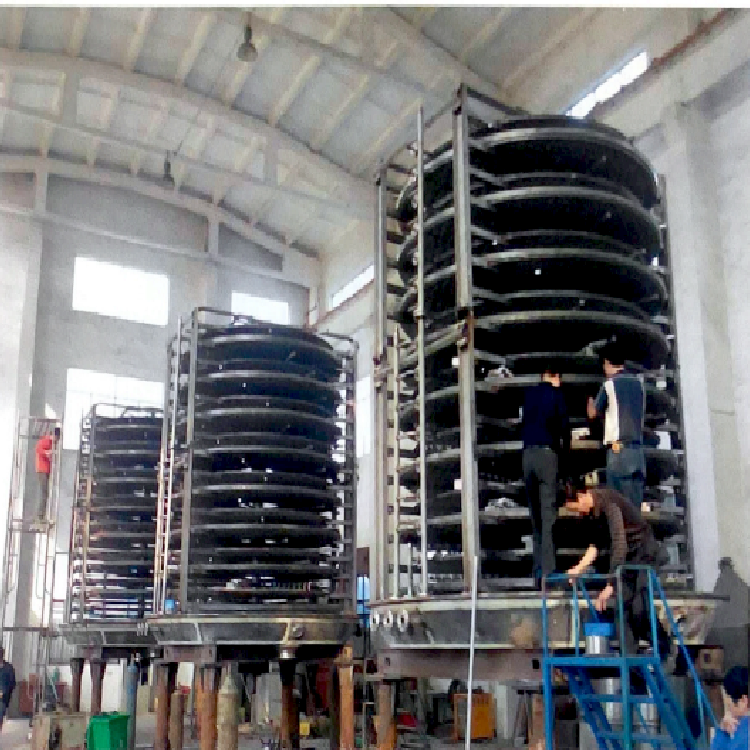
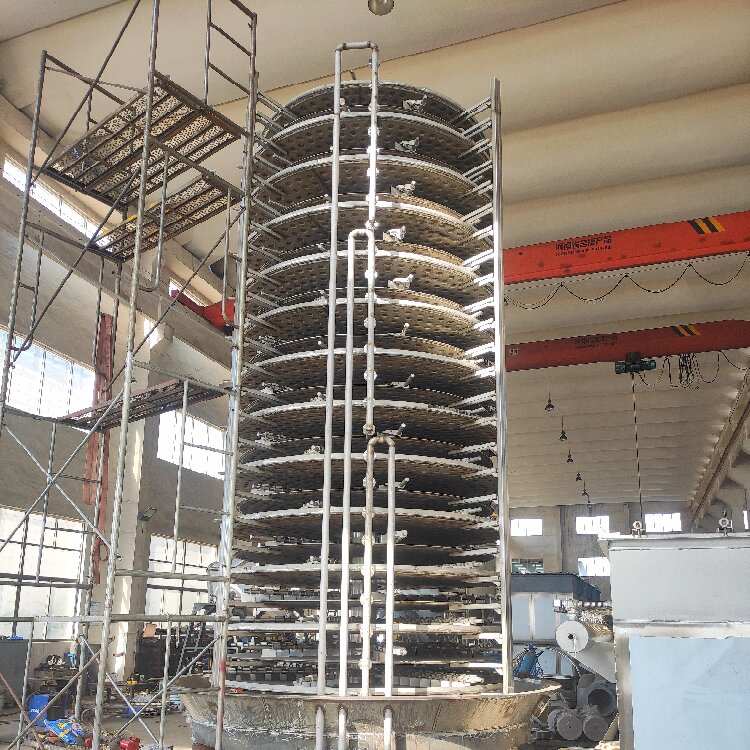
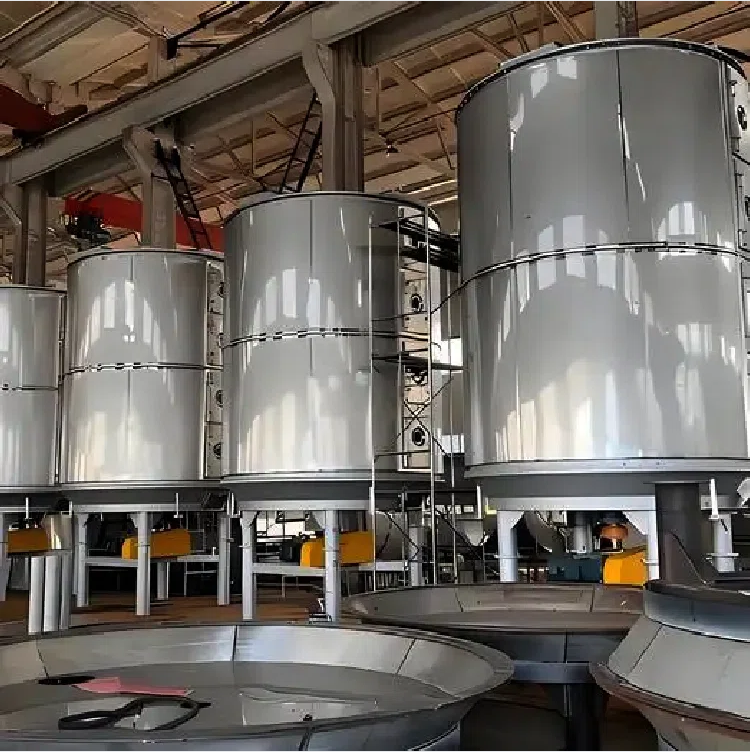
The disc-type continuous dryer is an efficient conductive continuous drying equipment. It consists of multiple layers of fixed hollow heated circular material-carrying discs, a rotating shaft, stirring rakes, and an outer vertical cylindrical body. The heat carrier is introduced into the hollow discs, indirectly heating the material on the surface of the discs through heat conduction. Under the scraping action of the rotating rake blades, the raw material is continuously turned and rolled, with moisture being heated and evaporated, then discharged along with the exhaust gas. The dried finished product is continuously discharged from the discharge port at the bottom of the equipment. Its unique structure and heating method determine that it has high thermal efficiency, low energy consumption, small footprint, simple configuration, convenient operation and control, and a good working environment. Currently, this equipment has been widely applied in industries such as chemical engineering, pharmaceuticals, pesticides, food, feed, and agricultural and sideline product processing, and has received good reviews in practice.
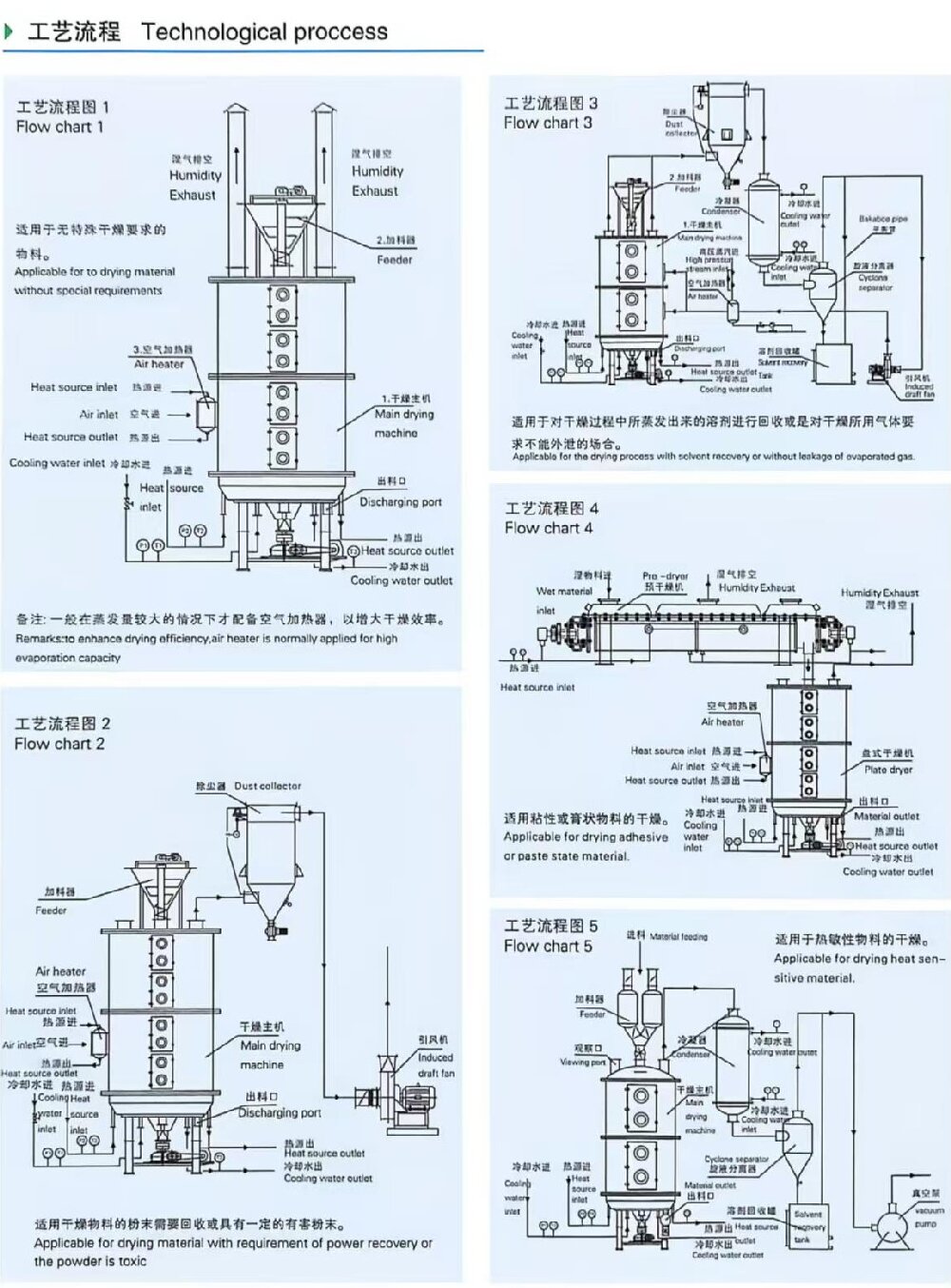
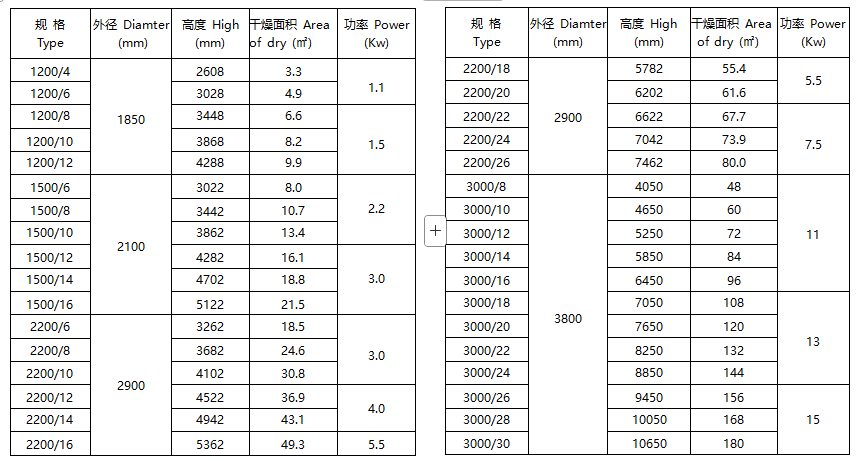
The disc continuous dryer can be classified into three categories according to working pressure: atmospheric pressure, sealed, and vacuum. It comes in four specifications based on disc diameter: 1200, 1500, 2200, and 3000. It is available in various materials for selection. Additionally, it is equipped with corresponding auxiliary equipment to meet the drying requirements of various materials.
Working principle
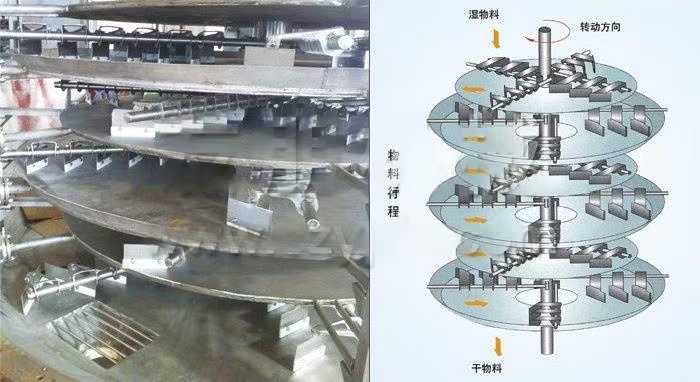
Wet materials are continuously fed into the first hollow material-carrying disc at the top of the dryer by a feeder. The rotating shaft drives the rake blades on the rake arms to flip the materials. The materials flow along the exponential spiral line on the surface of the drying disc. Raw materials on the smaller drying disc are transported from the inner edge to the outer edge and then fall into the outer edge of the larger drying disc below. On the larger drying disc, the materials move inward and fall into the inner edge of the smaller drying disc in the next lower layer through the central discharge port. Drying discs of different sizes are alternately arranged vertically and horizontally, allowing the materials to flow continuously through the entire dryer. The hollow drying discs are filled with heating media, including saturated steam, hot water, and thermal oil. The heating medium enters from one end of the drying disc and exits from the other end. The dried materials fall from the second layer of drying disc into the bottom of the shell, then are conveyed to the discharge port by the rake blades for discharge. Moisture in the materials escapes through the dehumidification port on the top cover. In the vacuum disc dryer, moisture is discharged through the vacuum pump port on the top cover. The dry materials discharged from the bottom layer can be directly packaged. By adding auxiliary equipment such as heaters, solvent recovery condensers, bag filters, dry material mixing devices, and exhaust fans, the drying production capacity can be improved. This equipment is suitable for powdery and small granular materials, facilitates solvent recovery, and can also perform raw material cracking and reaction operations.
Performance Features
1. Easy Control and Strong Applicability
By adjusting the material layer thickness, main shaft speed, rake arm quantity, rake leaf type and size, the drying process can be optimized.
Each drying tray can be individually fed with hot or cold media to heat or cool the material, with precise and easy control of material temperature.
The residence time of the material can be conveniently adjusted.
The material flow is unidirectional, with no back-mixing, ensuring uniform drying, stable quality, and no need for re-mixing.
2. Simple Operation and Ease of Use
The operation of starting and stopping the dryer is very simple.
After stopping the feed, the conveying rake leaves can quickly empty the material from the dryer.
Through a special large inspection door and viewing window, the equipment interior can be carefully cleaned and observed.
3. Low Energy Consumption
The thin material layer and low main shaft speed require less power for the material conveying system, resulting in low electricity consumption.
Drying is conducted through conduction heat, with high thermal efficiency and low energy consumption.
4. Good Operating Environment, Solvent Recovery, and Dust Emission in Compliance
Atmospheric type: Due to the low airflow speed inside the equipment and the humidity distribution being higher at the top and lower at the bottom, dust hardly floats to the top of the equipment, so the exhaust gas from the top moisture outlet almost does not contain dust.
Sealed type: Equipped with a solvent recovery device, which can conveniently recover organic solvents from the carrier gas. The solvent recovery device is simple, with a high recovery rate. For flammable, explosive, toxic, and easily oxidized materials, nitrogen can be used as the carrier gas for closed-loop circulation, ensuring safe operation. Particularly suitable for the drying of flammable, explosive, and toxic materials.
Vacuum type: The tray dryer operating under vacuum conditions is especially suitable for the drying of heat-sensitive materials.
5. Easy Installation and Small Footprint
The dryer is shipped and transported as a whole, requiring only lifting and positioning, making installation and positioning very easy.
Despite a large drying area, the footprint is small due to the layered arrangement and vertical installation of the drying trays.
Technical Characteristics
1. Drying Trays
Design pressure: Generally 0.4MPa, maximum up to 1.6MPa.
Maximum operating pressure: Generally ≤0.4MPa, maximum up to 1.6MPa.
Heating medium: Steam, hot water, heat transfer oil. For drying trays at 100°C, hot water heating is used; for 100°C to 150°C, use ≤0.4MPa saturated water steam or superheated steam; for 150°C to 320°C, use heat transfer oil heating; for >320°C, heating methods such as electricity, heat transfer oil, or molten salt can be used.
2. Material Conveying System
Main shaft speed: 1 to 10 revolutions per minute, with electromagnetic or frequency inverter speed control.
Rake arms: 2 to 8 fixed on the main shaft on each drying tray.
Rake leaves: Hinged on the rake arms, capable of floating up and down with the tray to maintain contact, available in various forms.
Rollers: For materials prone to caking and requiring crushing, rollers can be added at appropriate positions to enhance heat transfer and the drying process.
3. Shell Types: Atmospheric, Sealed, and Vacuum
Atmospheric type: Cylindrical or octagonal prism shape, with integral and split structures. Heating medium inlets and outlets can be inside or outside the shell.
Sealed type: Cylindrical shell, capable of withstanding 5Kpa internal pressure, with heating medium inlets and outlets that can be inside or outside the shell.
Vacuum type: Cylindrical shell, designed for 0.1Mpa pressure, with heating medium inlets and outlets inside the shell.
4. Air Heater
Generally used when the evaporation rate is high to enhance drying efficiency.
Application areas
Drying, Pyrolysis, Combustion, Cooling, Reaction, Sublimation
Organic chemical products, inorganic chemical products, pharmaceuticals, food, feed, fertilizer
Technical parameters
Hot Tags:
Vertical disc continuous dryer Vertical disc dryer Disc drying machine