

Vacuum drying machine
-
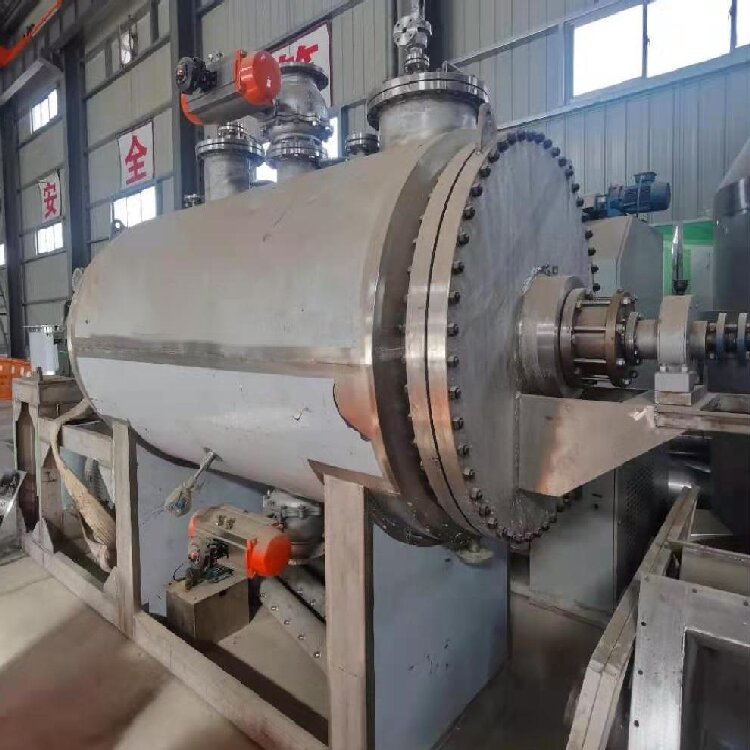 ZPG vacuum harrow dryerZPG vacuum harrow dryer is a new type of horizontal batch vacuum drying equipment. Wet materials absorb heat through conduction and evaporate moisture. The scraper agitator continuously removes materials from the heating surface and forms a circulation flow inside the container. After moisture evaporation, it is discharged by the vacuum pump. This machine adopts a large-area jacketed heating method, which has a large heat transfer area and high thermal efficiency. Equipped with a stirring device, it enables the material to form a continuous circulation state inside the cylinder, further improving the heat transfer and mass transfer efficiency of the material.read more
 -
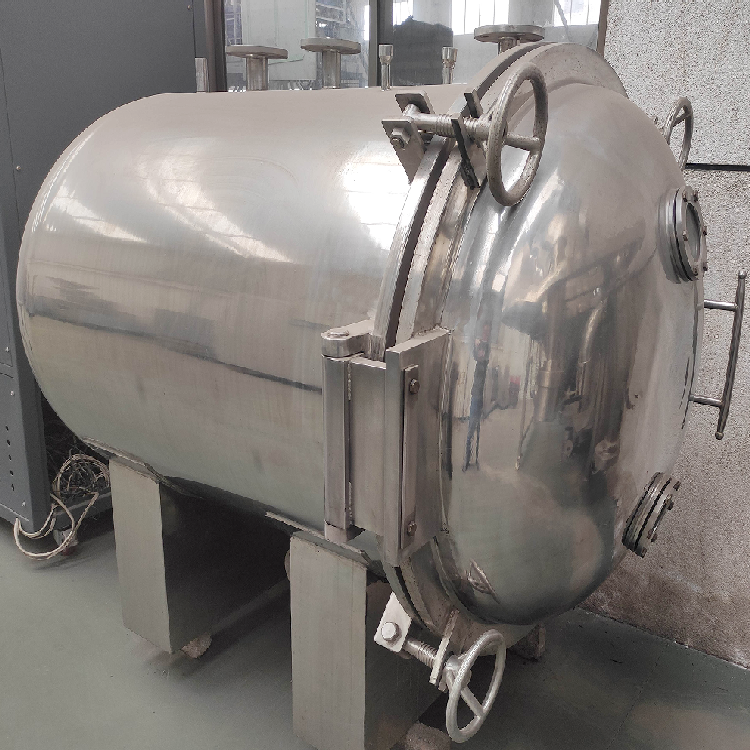 YZG series Round Vacuum OvenCylindrical vacuum dryers heat the material to be dried in a cylindrical chamber and use a vacuum pump to extract air and evaporated water. The drying process takes place under vacuum conditions, significantly accelerating the drying speed of the material. Cylindrical vacuum dryers are suitable for drying materials that require a higher degree of vacuum.read more
 -
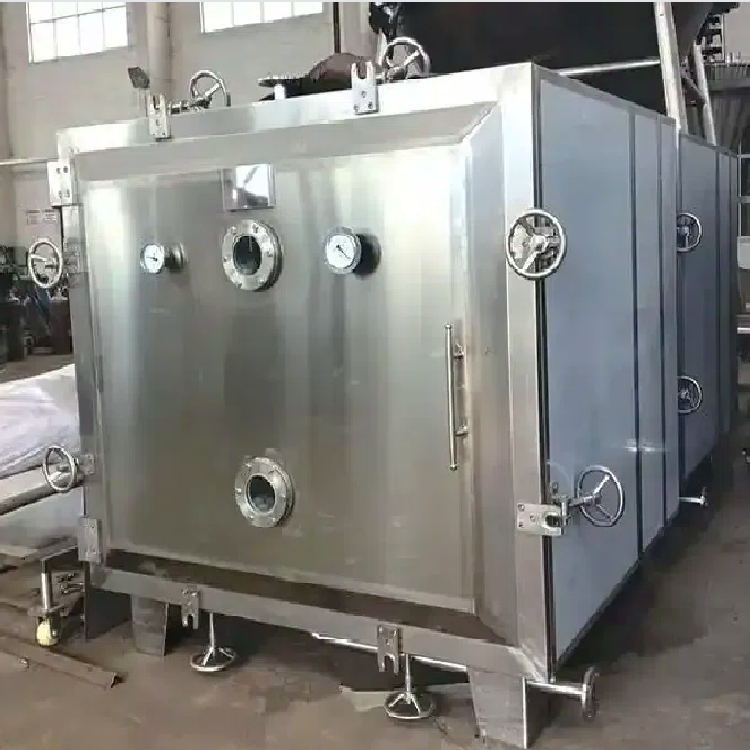 FZG series square vacuum ovenA vacuum drying oven is a device that dries materials by heating them under vacuum conditions. Square vacuum ovens are used for airtight storage of raw materials. Under the action of a vacuum pump, the square chamber is in a vacuum state, which reduces the boiling point of the raw materials' evaporation and significantly accelerates the drying speed of the materials. Vacuum drying equipment can be divided into static drying and dynamic drying. YZG round and FZG rectangular vacuum drying ovens belong to static vacuum dryers, while SZG double-cone vacuum dryers belong to dynamic vacuum dryers.read more
 -
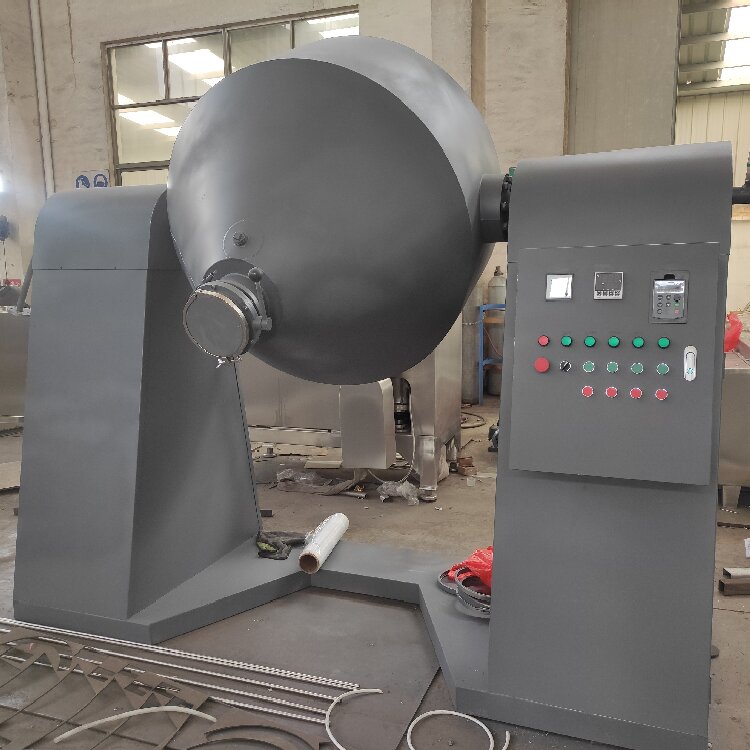 SZG double cone rotary vacuum dryerThe double-cone rotary vacuum dryer is an intermittent sealed drying equipment. During operation, the material is added into a closed container, and a heat source (such as hot water, low-pressure steam or heat transfer oil) is introduced into the jacket of the container. Heat is conducted through the tank wall to heat the raw material. Since the container is under vacuum conditions, the reduced operating pressure causes the moisture (solvent) on the surface of the material to reach boiling point and evaporate rapidly. The wet steam is then sucked away by a vacuum pump and recovered.read more